
The Most Overlooked Step in Healthcare: Diagnosis Review
In the fast-paced world of healthcare, it’s easy for things to slip through the cracks. One of the most commonly overlooked—but incredibly important—steps in the patient care process is diagnosis review. After receiving a diagnosis, many patients are simply told what condition they have, given a treatment plan, and sent on their way. However, diagnosis is not always straightforward, and mistakes can be made. A missed or incorrect diagnosis can lead to improper treatment, prolonged illness, and, in some cases, serious harm. This is why it’s essential to take time to review a diagnosis thoroughly, ensure it’s accurate, and confirm that the right course of treatment is being followed. In this blog, we’ll explore the importance of diagnosis review, why it’s so often overlooked, and how patients can ensure they’re receiving the right care for their condition. Why Diagnosis Review is Critical 1. Preventing Misdiagnosis A misdiagnosis occurs when a healthcare provider incorrectly identifies a patient’s condition. This can happen for several reasons, such as similar symptoms between diseases, insufficient testing, or failure to consider the patient’s full medical history. Misdiagnoses are surprisingly common—studies show that up to 1 in 20 adults are misdiagnosed in outpatient settings. For example, symptoms of heart disease can be mistaken for stress, indigestion, or a respiratory infection, leading patients to miss critical interventions. A proper diagnosis review—either through a second opinion or further testing—can help prevent these kinds of costly mistakes and ensure the correct treatment path is followed. 2. Early Detection of Serious Conditions Early detection of serious conditions like cancer, neurological disorders, and autoimmune diseases can significantly improve a patient’s chances of successful treatment. However, diagnosing these conditions requires a thorough and careful process, often involving multiple tests, specialists, and a detailed understanding of the patient’s health history. Regular diagnosis reviews can help catch conditions that might otherwise go undetected. For instance, a review of test results in a second opinion might highlight missed signs or suggest a different course of action. The goal is not just to identify the disease but also to catch it early, when treatment options are most effective. 3. Confirmation of the Correct Treatment Plan A diagnosis is only one piece of the healthcare puzzle. Once a diagnosis is made, the next step is deciding on a treatment plan. In many cases, treatments vary depending on the stage or severity of the condition, the patient’s overall health, and other personal factors. A diagnosis review includes confirming that the recommended treatment plan aligns with the condition diagnosed and that it is the most effective and appropriate option for the patient. This may involve re-evaluating tests, considering alternative treatments, or even getting a second opinion from another healthcare provider to confirm that the diagnosis and treatment plan are aligned. 4. Patient Empowerment and Advocacy Patients who are engaged in their own care and take an active role in the review of their diagnosis tend to have better outcomes. By requesting a review of their diagnosis, patients become advocates for their own health, ensuring that they’re not simply following the first recommendation but are making informed decisions. This process also empowers patients to ask the right questions, explore second opinions, and fully understand their condition and treatment options. When patients feel informed and confident, they are more likely to comply with treatment plans and actively engage in their recovery process. Why Diagnosis Review is Often Overlooked 1. Time Constraints Healthcare professionals often work under tight time constraints, especially in busy hospitals or clinics. With multiple patients to see, doctors may not have the luxury of spending extra time reviewing every diagnosis in depth. While doctors do their best to provide accurate care, the pressures of time and workload can sometimes lead to missed details or insufficient follow-up. 2. Trust in the Doctor’s Expertise Many patients automatically trust the judgment of their doctors, believing that they have considered all the possible diagnoses and treatment options. While doctors are highly skilled and trained, they are still human, and mistakes can happen. Trust is an essential part of the doctor-patient relationship, but it’s also important for patients to remember that they are their own best advocates. 3. Lack of Second Opinion Awareness In some cultures, seeking a second opinion is seen as a sign of mistrust or doubt. However, getting a second opinion is a normal and recommended practice, especially for serious or complex conditions. Patients may not always be aware of their right to question a diagnosis or to seek additional expert opinions, making it an overlooked step in many cases. 4. Inadequate Follow-Up Care After a diagnosis is made and treatment is started, patients may not always receive the follow-up care needed to monitor the effectiveness of the treatment or catch any potential issues early on. Without regular follow-ups or review of progress, patients may continue with ineffective treatments, prolonging illness or exacerbating symptoms. How to Ensure a Thorough Diagnosis Review 1. Request a Second Opinion One of the most effective ways to ensure that a diagnosis is accurate is by seeking a second opinion. A second opinion can provide a fresh perspective on your condition and treatment options. It may lead to confirmation of the original diagnosis or suggest a different approach. Even if the second opinion doesn’t change the diagnosis, it can provide peace of mind and reassurance that the diagnosis was correct. 2. Ask for a Comprehensive Explanation of Your Diagnosis When your doctor diagnoses you with a condition, don’t hesitate to ask for a thorough explanation. Request clarification about the condition, the tests performed, the reasoning behind the diagnosis, and how the treatment plan aligns with the diagnosis. Understanding the details can help ensure that you are fully informed about your health and the care you will receive. 3. Seek Additional Testing if Necessary In some cases, additional testing may be required to confirm a diagnosis or rule out other possibilities. If you feel uncertain or if your doctor hasn’t explored all potential diagnoses, ask if
Beyond Second Opinions — Why Every Patient Needs a Case Manager

In an ideal healthcare system, doctors and patients work together to achieve the best possible outcomes. However, the reality is that healthcare can be complicated, overwhelming, and fragmented, leaving many patients feeling lost in the process. Between coordinating appointments, understanding treatment plans, managing insurance, and keeping track of medical records, patients often have more on their plate than they can handle. This is where case managers come in. While second opinions are critical for confirming diagnoses and treatment plans, case managers go one step further by offering continuous support, coordination, and guidance throughout the entire healthcare journey. In this blog, we’ll explore why case managers are essential for patients, how they help navigate complex care, and why every patient—especially those with chronic conditions or serious illnesses—should consider having a case manager involved in their healthcare. What is a Case Manager? A case manager is a healthcare professional, typically a nurse or social worker, who helps patients navigate the complex healthcare system. They are experts in coordinating care, ensuring that all aspects of a patient’s treatment plan are managed effectively. Case managers work closely with patients, their families, and a network of healthcare providers to ensure that the patient receives comprehensive, personalized, and continuous care. Case managers can assist with a wide range of tasks, including scheduling appointments, helping patients understand medical information, advocating for the patient’s needs, and managing insurance claims. In essence, case managers help ensure that the healthcare process is smooth, coordinated, and tailored to the patient’s specific needs. Why Do Patients Need Case Managers? 1. Navigating Complex Treatment Plans For patients with complex medical conditions, treatment plans can become a maze of appointments, tests, medications, and referrals. It can be difficult to keep track of everything, let alone ensure that all aspects of care are being followed correctly. Case managers act as the patient’s guide, helping them understand their treatment options, ensuring that necessary tests are done, and ensuring that patients are following through with their treatment plans. Whether it’s ensuring that a patient attends follow-up appointments or coordinating the timing of multiple treatments, case managers help make the process more manageable. For example, a cancer patient may have multiple doctors, including an oncologist, a surgeon, and a radiologist. A case manager would coordinate appointments, make sure all doctors are communicating, and ensure the patient is receiving the right treatments in the right order. 2. Improving Communication Between Healthcare Providers One of the most common issues in healthcare is poor communication between doctors, specialists, and other healthcare providers. This can lead to errors, delays, and unnecessary procedures. Case managers serve as the central point of contact, ensuring that all members of a patient’s healthcare team are on the same page. For instance, if a patient is seeing multiple specialists for different aspects of their condition, a case manager will make sure that all the specialists are aware of the patient’s treatment history, ongoing treatments, and any changes to their condition. This streamlined communication reduces the risk of duplication and confusion, ultimately improving the quality of care. 3. Managing Health Insurance and Benefits Navigating insurance claims and understanding health benefits can be one of the most stressful parts of the healthcare process. Insurance plans are often complex, and patients may struggle to understand what’s covered, what isn’t, and how to get approval for treatments or procedures. Case managers assist with this by helping patients understand their insurance plans, advocating for necessary treatments, and ensuring that bills are correctly processed. They can also help patients find ways to reduce costs, such as exploring alternative treatments or ensuring that out-of-pocket expenses are minimized. 4. Providing Emotional and Psychological Support Healthcare journeys are not just about physical treatments—they also affect patients’ mental and emotional well-being. Patients dealing with serious or chronic illnesses often experience stress, anxiety, and feelings of isolation. Case managers offer emotional support by checking in with patients regularly, providing resources for coping strategies, and helping families navigate difficult decisions. In addition to emotional support, case managers may also help connect patients with counseling services, support groups, or mental health professionals to address the psychological aspects of dealing with illness. 5. Supporting Patients with Chronic Conditions Chronic conditions like diabetes, heart disease, or autoimmune disorders require ongoing management and care. Managing a chronic illness often means balancing multiple medications, monitoring symptoms, and making regular doctor visits. For many patients, this can be overwhelming and difficult to manage without the right support. Case managers play a crucial role in helping patients manage chronic conditions by providing consistent check-ins, ensuring medications are taken properly, and helping patients stay on top of necessary tests and treatments. They may also assist patients in making lifestyle changes, like adopting a healthier diet or exercise routine, and help with coordinating referrals to specialists if needed. How Case Managers Empower Patients 1. Personalized Support One of the main benefits of having a case manager is that patients receive personalized attention. Unlike a busy doctor’s office where patients may only have limited time for discussion, case managers focus on the individual needs of each patient. They help patients understand their condition, answer questions, and provide guidance tailored to their specific situation. 2. Reduced Stress and Anxiety Dealing with a health crisis can be emotionally taxing, and the added stress of managing multiple doctors, treatments, and insurance issues can make things worse. Case managers alleviate some of this burden by taking on the logistical aspects of healthcare. This allows patients to focus on recovery rather than navigating the complexities of the system. 3. Better Health Outcomes With continuous support from a case manager, patients are more likely to follow through with their care plan, attend appointments, and stay on top of their treatment. Case managers also ensure that patients understand the importance of prevention and early intervention, which can improve long-term health outcomes. For example, case managers can help patients with chronic conditions stay on top of regular check-ups and screenings, reducing the risk of complications.
When Healthcare Becomes a Maze — How Managed Care Brings Back Clarity
Navigating the healthcare system can feel like wandering through a maze. With an overwhelming number of specialists, treatments, tests, insurance plans, and procedures to manage, it’s no surprise that many patients feel lost. Often, patients are left to their own devices to figure out what steps to take next in their healthcare journey, and the result can be confusion, delays, and unnecessary stress. This is where managed care comes in. Designed to streamline the healthcare process, managed care aims to provide a more organized, efficient, and patient-centered approach to healthcare. By coordinating services and ensuring access to the right care at the right time, managed care programs help eliminate the complexity and confusion that often plague the healthcare system. In this blog, we’ll explore how managed care can simplify healthcare for patients, reduce costs, and ultimately improve outcomes by bringing clarity to the entire healthcare journey. What is Managed Care? Managed care refers to a system of healthcare delivery that aims to provide comprehensive care through a coordinated network of doctors, hospitals, and other healthcare providers. Under managed care, patients typically receive care through an organized network of providers that work together to manage their medical needs. The goal is to improve the quality of care while controlling healthcare costs. There are several types of managed care models, including: 1. Health Maintenance Organizations (HMOs): Patients choose a primary care physician (PCP) who acts as a gatekeeper for all specialist referrals and treatments. 2. Preferred Provider Organizations (PPOs): These offer more flexibility in choosing healthcare providers, although they still emphasize coordination of care. 3. Exclusive Provider Organizations (EPOs): Similar to PPOs, but with even fewer out-of-network options. 4. Point of Service (POS) Plans: A mix of HMO and PPO systems, where patients can choose between a PCP-based approach or direct access to specialists at a higher cost. While each of these models has its nuances, they all share the same basic principle: better coordination of care between healthcare providers. The Challenges of the Traditional Healthcare System Before the rise of managed care, patients often had to navigate the healthcare system on their own. This could mean seeing multiple specialists without any communication between them, getting redundant tests, or waiting weeks to get the right treatment. The result was a fragmented and disjointed healthcare experience that often left patients frustrated and uncertain about their care plan. Some of the common challenges in the traditional healthcare system include: 1. Lack of Coordination: When healthcare providers don’t communicate with each other, patients can end up undergoing the same tests multiple times or receiving conflicting advice from different specialists. This not only wastes time but can also delay critical treatment. 2. Costly and Confusing Insurance Plans: Health insurance can be confusing, with complicated terms, high premiums, high deductibles, and varying levels of coverage. Patients often struggle to understand what is covered and how to access the care they need without incurring large out-of-pocket expenses. 3. Fragmented Care: Patients may see different doctors for different conditions, but without proper communication between those doctors, the care they receive can be fragmented. One doctor may not be aware of another doctor’s treatment plan, leading to potential risks and missed opportunities for holistic care. 4. Long Wait Times and Delays: Without a clear care pathway, patients may face long wait times to see specialists or get tests done. This delay can be particularly problematic when patients have urgent medical needs. How Managed Care Solves These Issues 1. Coordination and Continuity of Care One of the main advantages of managed care is its emphasis on care coordination. In managed care models, the primary care physician (PCP) plays an essential role in overseeing and managing a patient’s healthcare journey. The PCP acts as a "gatekeeper," helping to ensure that the patient gets the right tests, treatments, and referrals to specialists when necessary. This coordinated approach not only helps eliminate unnecessary tests and treatments, but it also makes the entire healthcare process more efficient. With one central point of contact for care, patients can avoid the confusion of seeing multiple doctors who may not communicate with each other. 2. Simplified Insurance and Payment Systems Managed care plans typically work with a specific network of healthcare providers, which makes it easier for patients to understand their benefits and navigate insurance requirements. These plans usually have set premiums, copays, and deductibles, making healthcare costs more predictable. For example, under an HMO plan, a patient may only need to pay a small copay for a doctor’s visit, and their PCP will handle the referrals to specialists. In many cases, this structure eliminates the need for patients to worry about billing issues, as most of the payment details are handled through the managed care network. 3. Faster Access to Care Managed care models often provide quicker access to care compared to the traditional system. Since patients are part of a coordinated network, there is typically less red tape and fewer delays in scheduling appointments with specialists. Additionally, by working within a network, patients may be able to access care more quickly than if they were going outside of the network. Some managed care models, such as PPOs, also offer more flexibility, allowing patients to choose specialists without needing a referral. This can speed up access to care while still maintaining coordination through the broader healthcare network. 4. Focus on Preventive Care Managed care places a strong emphasis on preventive care, which helps catch health issues early and avoid more serious conditions down the line. Preventive care may include regular screenings,vaccinations, and health assessments, all of which are covered under most managed care plans. By focusing on prevention, managed care not only helps improve patient health but also reduces the overall cost of healthcare by addressing issues before they become major health crises. The Role of Case Managers in Managed Care Case managers play a crucial role in managed care. These healthcare professionals help coordinate the care of patients with complex medical needs, ensuring that
Healthcare Is Not Just About Treatment — It’s About Trust

When people think about healthcare, they often think about the treatments, medications, and surgeries that address their medical conditions. But what truly defines a successful healthcare experience is not just the treatments themselves—it’s the trust that forms the foundation of the doctor-patient relationship. Trust is what allows patients to feel confident in their healthcare providers, follow treatment plans, and feel heard and understood. In this blog, we’ll explore the crucial role trust plays in healthcare, how it impacts patient outcomes, and why building and maintaining trust should be just as much a part of healthcare as providing the best medical treatment. Why Trust Matters in Healthcare 1. Improved Patient Compliance and Outcomes When patients trust their healthcare providers, they are more likely to follow treatment plans and adhere to medical advice. This is critical in managing chronic conditions, recovering from surgeries, or following preventive care protocols. If a patient doesn’t trust their doctor or feels uncertain about their treatment, they may be less likely to take their medications, attend follow-up appointments, or follow through with recommended lifestyle changes. For example, a patient diagnosed with diabetes who trusts their doctor will be more likely to manage their blood sugar levels through medication, diet, and exercise. This trust increases the likelihood of a better outcome—both physically and mentally. 2. Open Communication and Better Diagnoses Trust enables open communication between doctor and patient. When patients feel that their doctor listens to their concerns and takes their symptoms seriously, they are more likely to share the full picture of their health. This open dialogue is essential for accurate diagnoses, as it allows doctors to gather all the necessary information to make informed decisions. In some cases, patients may feel reluctant to speak openly about symptoms due to fear of judgment or not being taken seriously. When trust is lacking, patients may withhold information, which can lead to misdiagnosis or delays in treatment. For example, a patient who feels comfortable discussing side effects or new symptoms can help their doctor refine a treatment plan more effectively. 3. Emotional and Psychological Support Healthcare is not just about physical ailments; it’s about the emotional and psychological well-being of the patient as well. Building trust with a healthcare provider can have significant benefits for a patient’s mental health. When patients feel they have a trusted partner in their healthcare journey, they experience less anxiety and feel more in control of their health. This emotional connection can be particularly important for patients undergoing long-term treatments, like cancer therapies or mental health treatments. Knowing that they are supported by a caring professional can help patients face difficult times with greater resilience. How Doctors Can Build Trust with Their Patients 1. Active Listening One of the most important ways doctors can build trust is by practicing active listening. This means giving patients the time and space to explain their symptoms and concerns without interruption. Active listening shows patients that their opinions and experiences are valued. It also helps doctors fully understand the issue at hand, ensuring more accurate diagnoses and treatment plans. 2. Transparency and Honesty Patients want to know that their doctors are being transparent with them. If a doctor makes a mistake, it’s important to acknowledge it openly and explain how they plan to correct it. Transparency is also essential when it comes to treatment options—patients need to understand the risks, benefits, and potential side effects of any procedure or medication they’re being prescribed. For example, if a doctor is recommending surgery, they should not only discuss the expected benefits but also potential risks, alternatives, and recovery time. A doctor who is open about all aspects of care helps build trust and empowers the patient to make informed decisions. 3. Empathy and Compassion Trust is also built on empathy. Patients who feel that their doctor understands and cares about them on a human level are more likely to trust them with their health. Empathy involves more than just diagnosing and treating—it’s about recognizing the emotional and physical struggles a patient may be facing and responding with compassion. Small gestures, such as offering reassurance, explaining a diagnosis in understandable terms, or taking the time to check in on a patient’s emotional state, can go a long way in building trust. Patients who feel cared for are more likely to feel positive about their treatment plan and remain committed to their health. 4. Respecting Patient Autonomy Trust is also rooted in respecting a patient’s autonomy and decision-making power. It’s important that doctors give patients the space to make informed choices about their care. This means respecting a patient’s right to ask questions, seek second opinions, or refuse treatment if they wish. When doctors empower patients to be active participants in their care, they reinforce trust in the doctor-patient relationship. For instance, if a patient is hesitant about a treatment or medication, a doctor should take the time to explore those concerns, answer any questions, and offer alternatives. This collaborative approach fosters a deeper sense of trust and respect. The Role of Trust in Patient-Centered Care Patient-centered care is a model that puts the patient’s needs, preferences, and values at the center of the healthcare experience. This approach hinges on building a trusting relationship between patients and healthcare providers. A patient-centered approach leads to better communication, more personalized care, and improved overall outcomes. When trust is established, patients feel more comfortable sharing critical information, which helps doctors provide tailored treatments. A trusted relationship also encourages patients to take an active role in their care, whether it’s sticking to a treatment regimen, participating in rehabilitation, or making lifestyle changes. How Patients Can Foster Trust with Their Doctors While trust is a two-way street, patients also play a role in building and maintaining trust with their doctors. Here are a few things patients can do to foster trust: 1. Be Honest About Your Health and Concerns Patients should always be honest with their doctors about their symptoms, lifestyle, and any concerns they may
Bridging the Gap Between Doctor and Patient — The Med Access Way
The relationship between a doctor and their patient is one of the most important elements of healthcare. Effective communication and trust are key to ensuring that medical treatments are successful and that patients feel supported. However, despite the best intentions, there is often a significant gap between what doctors know and what patients understand, leading to confusion, frustration, and sometimes even poor health outcomes. Enter the concept of patient access management. Programs like Med Access are designed to bridge the communication gap between doctors and patients, ensuring that healthcare is not only effective but also patient-centered. In this post, we’ll explore how Med Access helps patients navigate the complex healthcare system, builds stronger relationships between doctors and patients, and improves overall outcomes. The Doctor-Patient Communication Gap 1. Medical Jargon and Complex Information One of the main barriers between doctors and patients is the language barrier. Doctors often use medical terminology that may be difficult for patients to understand, which can leave them feeling confused or even overwhelmed. When patients don’t fully comprehend their condition or the proposed treatment plan, it can lead to anxiety, non-compliance, or poor decision-making. 2. Time Constraints and Limited Interaction In today’s fast-paced healthcare environment, doctors are often under pressure to see a high volume of patients in a short amount of time. This means they may not have the opportunity to explain things in detail or engage in a thorough conversation with each patient. As a result, patients may leave appointments with lingering questions or doubts about their care plan. 3. Cultural and Emotional Difference In many cases, patients come from diverse cultural backgrounds or have unique emotional needs that can affect how they understand or respond to medical information. For instance, a patient from a different cultural background may have different expectations about healthcare, or may have difficulty trusting doctors due to past experiences. Recognizing these factors and addressing them is essential for building rapport and trust between the doctor and patient. How Med Access Bridges the Gap Med Access programs are designed to address these challenges by offering patients comprehensive support throughout their healthcare journey. Here’s how Med Access can bridge the gap between doctor and patient: 1. Personalized Care Coordination Med Access helps coordinate care by offering patients a dedicated care manager who can provide personalized guidance and support. These professionals act as intermediaries, helping to explain medical terms in a way that patients can understand, facilitating communication between different specialists, and ensuring that patients have all the information they need to make informed decisions. 2. Patient Advocacy A key component of Med Access is patient advocacy. This involves empowering patients to actively participate in their care by making sure they understand their treatment options, risks, and benefits. Care managers help patients navigate the system, schedule appointments, and even provide emotional support during difficult times. 3. Education and Resources Med Access provides patients with easy access to educational resources that can enhance their understanding of their condition and treatment options. This might include brochures, videos, or online resources that explain complex medical concepts in simple terms. Educating patients empowers them to make better decisions and improves adherence to prescribed treatments. 4. Holistic Approach to Care Rather than focusing solely on medical treatments, Med Access takes a holistic approach to patient care. This means addressing emotional, psychological, and social needs in addition to physical health. By taking into account the whole person, Med Access helps create a more supportive and comprehensive healthcare experience for patients. Conclusion Bridging the gap between doctors and patients is essential for improving healthcare outcomes. Med Access provides a valuable solution by offering personalized care coordination, patient advocacy, and educational resources. By fostering better communication and trust, Med Access programs can help patients feel more engaged in their care and more confident in their healthcare decisions.
Second Opinions: A Smart Patient’s First Step
When it comes to healthcare, no decision is more personal or potentially life-changing than a diagnosis. Whether it’s a routine health issue or a serious condition, the advice you receive from your doctor is often treated as gospel. But in today’s healthcare environment, where there’s an increasing focus on patient-centered care and medical advancements, patients are starting to understand the power and importance of a second opinion. Seeking a second opinion is no longer seen as a sign of mistrust, but rather a smart and proactive step in ensuring you’re receiving the best possible care. In this blog, we’ll discuss why second opinions matter, when and how to seek them, and how they can empower patients to make better-informed decisions about their health. Why Second Opinions Matter 1. Clarity and Confidence in Your Diagnosis One of the main reasons people seek second opinions is to confirm or clarify their diagnosis. Medicine is a complex field, and no diagnosis is ever 100% foolproof. Different doctors might interpret test results or symptoms in slightly different ways, leading to varying conclusions. By getting a second opinion, you’re ensuring that you fully understand your condition and have the best possible information to move forward with treatment. For example, a patient diagnosed with a rare condition may benefit from hearing from a specialist who has more experience with that disease. Alternatively, a second opinion might reveal that the original diagnosis was incorrect, leading to a completely different treatment approach that could be more effective. 2. Access to Cutting-Edge Treatments Medical knowledge and treatment options evolve rapidly. What may have been considered state-of- the-art treatment a few years ago might be outdated today. A second opinion from a different doctor, especially one with specialized expertise, could expose a patient to new or alternative treatment options that were previously unexplored. In some cases, a second opinion might uncover clinical trials or experimental treatments that could offer significant benefits for patients with chronic or life-threatening conditions. When it comes to complex illnesses like cancer, heart disease, or neurological disorders, having access to the latest treatment options can be a game-changer. 3. Personal Empowerment and Informed Decision-Making In the past, patients might have felt that they had to trust their doctor’s judgment without question. Today, however, more and more patients are realizing that they have the right to be involved in their healthcare decisions and seek more than one perspective. The act of seeking a second opinion empowers patients to take control of their health and make well-informed choices. A second opinion can provide more clarity about your treatment options, potential risks, and outcomes. With this knowledge, you can engage in a more meaningful discussion with your doctor, ask the right questions, and make decisions that align with your values and preferences. When Should You Seek a Second Opinion? While second opinions are always a good idea in certain situations, there are specific circumstances when they’re especially important: 1. Unclear or Uncertain Diagnosis If your diagnosis is unclear or you’ve received conflicting information, a second opinion can help confirm what’s going on. This is especially crucial if your symptoms aren’t improving or if there’s uncertainty surrounding your condition. Getting another doctor’s perspective can help narrow down potential causes or rule out others. 2. High-Risk Conditions or Major Surgery If you’re dealing with a life-threatening illness or preparing for a major surgery, getting a second opinion is an essential part of ensuring that you’re making the right choice. High-risk surgeries or complex conditions—such as cancer, heart disease, or neurological disorders—require careful planning and the best treatment approach. Seeking an expert opinion can provide reassurance or suggest alternative options that may be less invasive or more effective. 3. Treatment Plans You’re Not Comfortable With If your doctor recommends a treatment plan that doesn’t sit well with you—whether it’s due to concerns about side effects, risks, or the overall approach—it’s a good idea to seek a second opinion. You should never feel pressured into a treatment plan that you’re not fully comfortable with. A second opinion can provide different perspectives, and in some cases, may suggest less aggressive or more holistic options. 4. Chronic Conditions with No Improvement If you have a chronic health condition and aren’t seeing any improvement with the prescribed treatment, it may be time to get another opinion. Some conditions require a different approach or a combination of treatments to manage effectively. A fresh perspective could help identify new strategies that work better for your specific situation. How to Seek a Second Opinion 1. Be Honest with Your Doctor While some patients may feel uncomfortable asking for a second opinion, it’s important to approach the situation openly and honestly. Most doctors understand that patients want to feel confident about their diagnosis and treatment plan, and they should support you in seeking a second opinion. In fact, many doctors even encourage it, as it shows you are taking an active role in your healthcare. 2. Do Your Research If you’re considering a second opinion, take the time to research specialists or other doctors who can provide a different perspective. Look for someone with expertise in your condition or a particular area of medicine that’s relevant to your case. Many healthcare systems allow patients to easily access doctor reviews and credentials online. 3. Gather All Your Medical Records When you consult with another doctor, make sure to bring all relevant medical records, including test results, imaging scans, and your treatment history. This will help the new doctor fully understand your case and provide an accurate second opinion. You may need to request your records from your current doctor or the hospital where you’ve been treated. 4. Understand the Costs and Insurance Coverage Before seeking a second opinion, check with your insurance provider to see if it’s covered. Some insurance companies may require a referral from your primary doctor, while others may allow you to go directly to another provider. Be sure to understand the costs involved, especially if
The Hidden Cost of Misdiagnosis — And How to Avoid It

In the world of healthcare, misdiagnosis is one of the most critical issues that can affect patient outcomes. While doctors and healthcare providers strive for accuracy, no system is infallible. Misdiagnosis can lead to delayed treatment, inappropriate care, and even life-threatening complications. Beyond the immediate impact on health, there’s also a hidden cost—financial, emotional, and social—that patients and their families have to bear. In this post, we’ll explore the hidden costs of misdiagnosis, how it can affect patients in profound ways, and what healthcare professionals and patients can do to avoid it. By understanding these factors, we can work toward a more reliable and effective healthcare system for everyone. The Scope of the Problem While it’s difficult to quantify the exact prevalence of misdiagnosis, studies have shown that it happens more often than most people realize. According to research, misdiagnosis occurs in approximately 10–15% of cases, and it can be particularly common in certain fields of medicine like oncology, neurology, and infectious diseases. The consequences are often far-reaching, affecting not only the patient’s health but their finances, relationships, and quality of life. 1. Financial Costs The financial burden of misdiagnosis is often profound and far-reaching. If a patient is misdiagnosed, they may receive incorrect or ineffective treatments, which can lead to worsening health conditions. This, in turn, may result in additional hospital visits, more tests, and prolonged treatments—each one adding to the overall cost of care. For example, a misdiagnosed condition may lead to the wrong medications being prescribed, which can cause side effects and complicate the patient & condition. The cost of additional medications, doctor visits, and treatments can quickly add up. In some cases, prolonged illness or worsening symptoms may even lead to lost wages or the inability to work, further exacerbating financial strain. Additionally, many insurance plans may not cover the cost of treatments for a misdiagnosed condition, leaving patients with high out-of-pocket expenses. This financial burden can cause significant stress for families, especially if they were already facing medical bills from the initial diagnosis. 2. Emotional and Psychological Costs The emotional toll of a misdiagnosis is another hidden cost that often goes unrecognized. Patients who receive an incorrect diagnosis may experience anxiety, frustration, and a loss of trust in their healthcare providers. This is especially true when a patient has undergone invasive tests or undergone treatments that were unnecessary or harmful. The emotional strain doesn’t just affect the patient—it can ripple through their family and loved ones.Family members may feel helpless, frustrated, or even guilty for not seeking a second opinion. Furthermore, the uncertainty of dealing with an undiagnosed or misdiagnosed condition can lead to depression and mental health issues, which can complicate recovery and affect overall well-being. 3. Social Costs A misdiagnosis can also affect a patient’s social life and relationships. Patients who spend months or even years seeking the correct diagnosis may experience isolation and frustration. If they have been unable to work due to a misdiagnosed illness, their social relationships may deteriorate, leading to feelings of loneliness. Misdiagnoses can also strain relationships with healthcare professionals. Patients who feel that they’ve been misled or mistreated may become distrustful of future medical advice. This may result in a cycle of seeking multiple opinions or avoiding medical care altogether, potentially worsening the patient’s condition. Common Causes of Misdiagnosis Understanding the causes of misdiagnosis can help both patients and healthcare providers reduce the risk of errors. Here are some common reasons misdiagnoses happen: 1. Incomplete Patient History A key step in the diagnostic process is taking a thorough patient history. Unfortunately, sometimes important details are missed or not communicated effectively between patient and doctor. If a healthcare provider doesn’t ask the right questions or if a patient doesn’t fully disclose all their symptoms, a critical piece of the puzzle can be left out, leading to an inaccurate diagnosis. 2. Diagnostic Testing Errors Lab tests, imaging, and other diagnostic tools are a vital part of diagnosing medical conditions, but these tests are not perfect. Errors can occur during the testing process itself, whether it’s a clerical mistake, incorrect interpretation of results, or even equipment malfunction. In some cases, a patient may have a condition that’s difficult to diagnose with standard tests, leading to delays or errors in diagnosis. 3. Lack of Communication Among Healthcare Providers In today’s complex healthcare environment, patients often see multiple specialists, each with their own approach and perspective. While this can be beneficial, it also increases the risk of miscommunication. If healthcare providers don’t effectively share information or consult with each other, vital pieces of the patient’s medical history can be overlooked. 4. Cognitive Biases Even highly trained doctors are susceptible to cognitive biases, which can influence their clinical decision-making. For example, a doctor might jump to a diagnosis based on the most obvious or common symptoms, ignoring other potential causes. Confirmation bias can also occur, where a doctor focuses on evidence that supports their initial diagnosis, while overlooking contradictory evidence. How to Avoid Misdiagnosis While it’s impossible to completely eliminate the risk of misdiagnosis, there are several ways to reduce it: 1. Seek a Second Opinion One of the most effective ways to avoid misdiagnosis is by seeking a second opinion. When patients aren’t sure about a diagnosis, consulting another healthcare professional can provide a fresh perspective. This can be especially valuable when dealing with complex or rare conditions. Healthcare providers should encourage second opinions, not only for the sake of patient care but also to build trust in the system. 2. Be Proactive and Informed Patients who actively engage in their own healthcare are less likely to fall victim to misdiagnosis. This means asking questions, providing detailed information about symptoms, and being diligent about follow-up care. It’s also important to seek out information on symptoms and potential conditions, though it’s crucial to approach this with the understanding that not all information found online is accurate. 3. Foster Communication Effective communication between healthcare providers is key to reducing the risk of misdiagnosis.
Behind Every Successful Surgery Is a Well-Managed Patient Journey
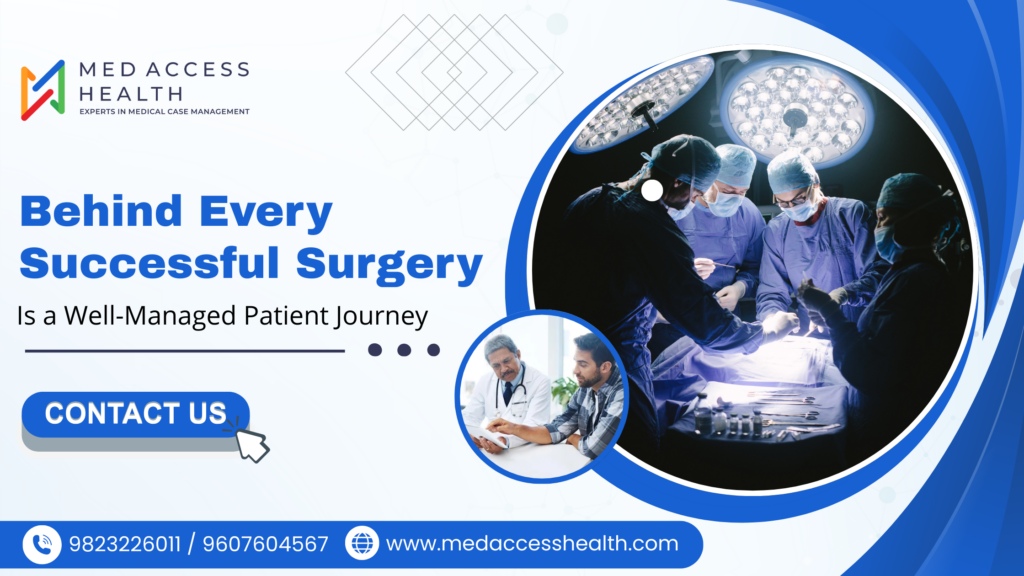
In the world of modern medicine, surgery is often seen as a critical and sometimes life-saving intervention. But behind every successful surgery lies a less visible but equally important aspect of healthcare: the patient’s journey. From initial diagnosis to post-surgery recovery, the patient’s experience throughout the entire process can significantly influence the outcome of the surgery. A well- managed patient journey ensures that all the right steps are taken at the right time, minimizing risks, optimizing recovery, and improving long-term results. In this blog, we will explore why managing the patient journey is crucial to successful surgeries, the key steps in this journey, and how healthcare providers can work together to create a seamless experience for patients. The Stages of the Patient Journey 1. Pre-Surgery: Comprehensive Assessment and Preparation The patient journey starts long before the surgery itself. One of the first and most important steps is a thorough pre-surgery assessment. This typically includes medical evaluations, diagnostic tests, and discussions about the patient’s health history. This step ensures that the patient is fit for surgery and helps the surgical team anticipate any potential risks or complications. In addition to physical assessments, emotional and psychological support is essential. Many patients feel anxious or fearful before surgery, and addressing these concerns early on can make a significant difference in the overall experience. Clear communication between the patient and the healthcare team, including the surgeon, anesthesiologist, and nurses, helps set expectations and reduces anxiety. 2. Surgical Planning: Collaboration and Customization Once the decision for surgery is made, the planning phase begins. A well-managed surgical journey involves a collaborative approach between the surgical team, the patient, and any other specialists involved in the patient’s care. This phase includes finalizing the surgical approach, ensuring the patient’s comfort and safety during the procedure, and making necessary preparations for the post-surgery recovery process. Effective surgical planning also means that the patient’s individual needs are taken into account. For instance, if a patient has underlying conditions like diabetes or hypertension, these factors will becarefully managed to reduce the risks during surgery. A personalized care plan is developed, ensuring that all aspects of the patient’s health are considered before the operation begins. 3. The Surgery: Precision and Execution On the day of surgery, the quality of care and precision during the operation play an important role in a positive outcome. This stage is the culmination of all the planning and preparation, and it requires the surgical team to perform with expertise and focus. However, even in the operating room, the patient journey continues. During surgery, it is crucial to have proper monitoring of the patient’s vitals, anesthesia levels, and overall well-being. Additionally, clear communication between surgical staff and post-op teams is vital to ensure that there is a smooth transition from the operating room to recovery. 4. Post-Surgery: Recovery, Rehabilitation, and Follow-Up Care After surgery, the patient’s journey doesn’t end. Post-surgery recovery is a critical part of the process that can significantly impact the overall success of the procedure. Proper recovery care includes monitoring for complications like infections or blood clots, providing pain management, and offering physical rehabilitation if necessary. The key here is managing the patient’s recovery in a holistic way. From providing emotional support to helping with practical aspects like mobility and nutrition, the patient’s overall well-being is addressed throughout the recovery process. Follow-up care, such as routine checkups and diagnostic tests, ensures that the patient is healing properly and any potential issues are caught early. The Role of Care Coordination One of the most effective ways to manage the patient journey is through coordinated care. This means that all the healthcare providers involved in a patient’s surgery – from the primary care physician to the surgeon to the rehabilitation specialists – communicate and work together to ensure continuity of care. A patient’s care manager or coordinator can help streamline this process, ensuring that appointments, tests, and treatments are scheduled in a timely manner and that the patient doesn’t fall through the cracks. In today’s healthcare environment, this coordination is often facilitated through digital health records and communication platforms, ensuring that everyone involved in the patient’s care has access to the most up-to-date information. The Importance of Patient Education and Empowerment Education plays a key role in the success of the patient journey. When patients understand what to expect at each stage of their surgical process, they are better equipped to make informed decisions, follow post-surgery instructions, and manage any challenges they face along the way. Empowering patients with knowledge and encouraging them to actively participate in their care is an essential element of a well-managed journey. For example, pre-surgery education might include information on how to prepare for the operation, what to bring to the hospital, and what kind of recovery process to expect. Post-surgery education might focus on managing pain, recognizing signs of complications, and understanding the importance of follow-up appointments. Conclusion Behind every successful surgery is a well-managed patient journey. This journey includes comprehensive pre-surgery preparation, precise surgical planning, careful execution in the operating room, and ongoing post-surgery care. By focusing on every aspect of the patient’s experience, healthcare providers can help ensure that patients not only survive surgery but thrive after it. Ultimately, a successful surgery is not just about the procedure itself – it’s about creating a holistic and seamless experience for the patient. From the moment they enter the healthcare system to the final stages of recovery, the patient journey should be managed with care, precision, and compassion.
Empowering Your Spine

Empower yourself to treat your own spine-related symptoms – back pain, neck pain, arm pain, leg pain Most people who suffer from back, neck, arm or leg pain are ignorant about the fact that their posture through the day is the cause of this pain as a rule rather than an exception. Once, more serious conditions have been ruled out by the doctor, the patients can treat themselves by paying more attention to their posture. The key information is the realization of two basic facts that can empower a person to treat his own spine-related symptoms. The weight of the head is 8 – 10 kilograms. This weight is in the line of centre of gravity that is the force that the vertebral column will experience. Fortunately, by natural design, we have been given a nodding movement between the skull and the atlas which allows us to look down without moving this weight away from the centre of gravity. This however is a trained movement in which only people in the security profession such as the army or models walking down the ramp or people who carry weight on their head use. Most of us when we have to look at the table or at the handheld devices find it easier to use gravity to suspend the head forward in front of the line of centre of gravity. Because of lever-action, this magnifies the force effect on the spine tremendously. In fact, the measured force at a 45-degree tilt is 50 pounds. Now this force effect may not necessarily cause neck pain only because this force is being balanced by the entire spine so lower back pain or leg symptoms can appear because of this constant forward tilt of the head. The vertebral column is a combined system very similar to the suspension bridge wherein there are columns and suspension cables or similar to a tent which is held by stays. The vertebral column is held in tension by the abdominal muscle tone, the most important one of which is the transversus abdominis or the innermost layer. This in fact is a very difficult muscle to recruit but if one is able to increase the tone of the transversus abdominis on a constant basis then the vertebral column will not feel the impact of uneven roads, speed breakers, potholes, falls, etc. Even when bend lifting if the abdominal muscles are tucked in it immediately distributes force evenly. The above 2 guidelines can empower a person to look after his back and neck and avoid spine problems. Lastly, there are simple tricks that a person can use to treat his/her spine. For example: Suspending the head from the edge of the bed. This is a way of using the weight of the head as traction on the neck and reverse our daily force exertion on the vertebral column. Reverse walking would do the same because as we move forward we are constantly chasing our centre of gravity in the front. Getting into the chair or out of the chair using our arms to virtually lift us from the chair as a gymnast does from parallel bars. In general, it has been found that sitting increases the force effect on the spine more than walking. If at all one has to sit then the back should be comfortably rested. There are various chair designs however in my experience most of us tend to us the chair as a stool and never rest the back. It is important to interrupt the sitting time by breaking it into 10 or 15 minutes spells. Standing and working is also a good way of looking after the spine. Resource: Dr. Sunil Nadkarni is a Senior Orthopaedic and Spine Surgeon with international exposure and over 30 years of experience in treating spinal problems/disorders in patients. He specialises in Stitchless Spine Surgery under Local Anesthesia for the Cervical Spine (neck pain) and the Lumbar Spine (back pain). Qualification: MBBS BJ Medical College 1981 MS (Ortho) 1984 FRCS (Edinburg) 1990 MCh (Liverpool) 1994
How MedAccess selects the best doctors?

Because doctors can vary considerably in qualification and experience, choosing the right doctor to treat your medical condition can make an enormous difference in the outcome of your treatment. At MedAccess, we offer you carefully selected, best doctors and help you choose the best possible for your specific needs. The Doctors Other Doctors Trust The Most We ask every doctor the following questions: “If you or your family member needed a doctor in a certain speciality, who would you choose?” MedAccess is having 14 years of research and a database of more than 3000+ medical experts in every specialty and sub specialty, each recommended and chosen as “best” by other doctors. Doctors Selection Process: In selecting doctors, we employ a rigorous, multi-step process. Survey of Doctors: We create a pool of candidates in each city. Each year, we request doctors to nominate colleagues they know to be exceptional in their specified field. Physicians are asked to consider the following question: “If you needed medical care in one of the following specialties, which doctor would you choose?” Candidate Search Our dedicated database research staff also contributes to the pool of candidates by searching medical databases, online sources, and publications for doctors who have attained certain credentials. We evaluate candidates on 10 indicators of peer recognition and professional achievements: Years of experience Fellowships Professional activities Leadership positions Academic achievements/positions Board certifications International Exposure Honours and awards Proven Results and Success rate The MedAccess recommended doctors advantage: By choosing MedAccess recommended doctors, you will have the following advantages: A more accurate diagnosis Higher success rates Care that is planned, coordinated and provided by a team of experts who specialize in your condition Appropriate therapy (neither too much nor too little) Fewer complications A shorter length of stay in a hospital Lower costs Guidelines to Choose the “Dr Right” for Your Medical Care When you are looking for a doctor to take care of specific symptoms, you’ll want to follow these guidelines to choose the right doctor for your medical care. Assess your needs First of all, it is important to assess your needs. what are your health issues and what kind of doctor are you looking for? It’s most important to find one you can trust and with whom you can communicate well. See the right type of specialist You need to be sure that you’re being referred to the right type of specialty for your health problem. Patients are surprised to learn that seeing the wrong type of specialist, someone who focuses on only one body system can stand in the way of accurately diagnosing and therefore, correct treatment. Find a good Communicator Regardless of the type of doctor you need, you’ll want to be sure you can communicate effectively. Many patients complain that they don’t feel as if their providers listen to them, or give them enough time. Check credentials Doing a background check into your doctor’s credentials is important to be sure they are appropriate and current. Check the track record The amount and level of experience your doctor has can be important, especially if you have a difficult to diagnose the medical problem or one that requires a difficult treatment. You’ll also want to know that the doctor has a successful and clean record. You’ll want to research your doctor’s track record to be sure your doctor has a clean record, free of malpractice or other problem